10 Reasons Why Vietnam is the Next Tech Hotbed
Tariffs, young talent, foreign investment, and an entrepreneurial mindset makes Vietnam the place to be for VC investments.

When you think of Vietnam, you might picture the chaotic yet mesmerizing flow of motorbikes weaving through the streets of Ho Chi Minh City, the scent of freshly brewed egg coffee lingering in an old apartment building, or the towering limestone karsts of Ha Long Bay. Or perhaps Vietnam conjures up images of war–a place of conflict, with bombs falling over rice fields.
For me, a first-generation Vietnamese American, Vietnam is both a beautiful country with a long and rich culture and a place my parents fled to escape war and turmoil. It was a place I thought I might visit one day for reverence and charity, but certainly not for opportunity.
Yet today, in the prime of my career in the U.S., I am seriously considering moving my family to Vietnam to be at the center of growth and innovation.
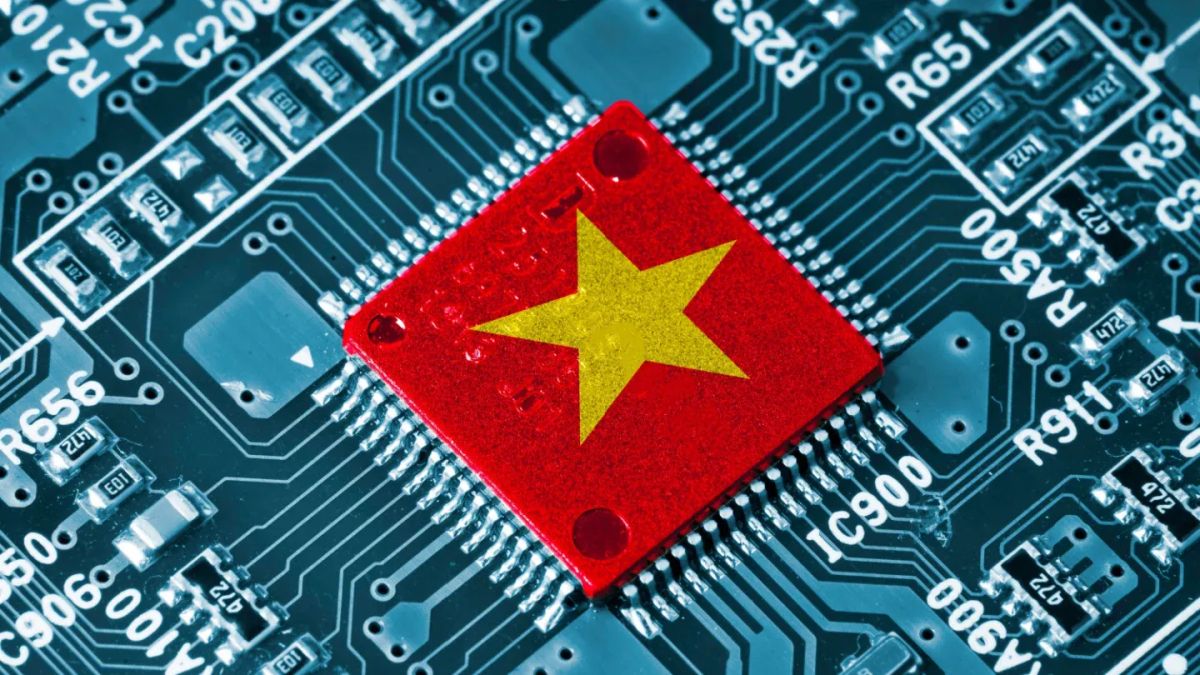
Beyond its rich culture and tumultuous past, Vietnam is rapidly carving out a new identity—as a rising tech powerhouse. With a surging startup ecosystem, a young and ambitious workforce, and increasing global investment, the country is evolving into a hotbed of innovation and technological growth at an electrifying pace.
Need more reasons to make a big international move? I'll give you ten. Here's why Vietnam is the next big frontier for tech, and why NOW is the time to pay attention.
- U.S. tariffs on China create favorable trading conditions for Vietnam. The ongoing U.S.-China trade tensions are reshaping global supply chains, and Vietnam is emerging as one of the biggest beneficiaries. While the broader economic impact of these tariffs continues to unfold, one thing is clear—Vietnam stands to gain. For years, rising labor costs in China have already pushed manufacturers to shift production to Vietnam. Now, with steep tariffs on Chinese goods, this trend is accelerating. Despite the trade imbalance between the U.S. and Vietnam—with the U.S. trade deficit exceeding $110 billion in the first 11 months of 2024—the Trump administration doesn’t seem to mind. In fact, the Trump Organization is planning to develop a $1.5 billion golf course and hotel project in Vietnam, signaling continued economic engagement. From apparel and electronics to AI chips and smartphones, more companies are relocating their manufacturing hubs to Vietnam to bypass tariffs, further solidifying the country’s position as a key player in global trade.
- Young and Tech-Savvy Population. Unlike many Asian countries, Vietnam has a young and highly tech-savvy workforce. Approximately 70% of the population is under 35, a demographic advantage that is already fueling the country’s rapid economic growth. But beyond its youth, Vietnam is also a hub for tech talent, producing over 57,000 IT graduates annually. According to the World Rank of Best Developers Survey, Vietnam ranks 10th for developer talent. It ranks 3rd for Artificial Intelligence coders by Hacker Rank. Additionally, the country has a thriving community of self-taught developers, blockchain engineers, and AI researchers who actively contribute to global open-source projects.
- Tech Forward Government Initiatives and Infrastructure. Despite having a communist-led government, Vietnam has actively implemented business-friendly policies and initiatives to enhance its competitiveness in the tech sector. One key initiative is “Make in Vietnam,” launched in 2019 to promote local tech innovation and digital transformation within the Information and Communication Technologies (ICT) industry. Additionally, Viettel, Vietnam’s state-owned telecom company, has deployed a nationwide 5G network to improve internet connectivity and accelerate digital access. Cities and provinces in Vietnam have also been pushing smart city programs to enhance municipal management.
- Ideal Geographical Location and Access to Numerous Trading Partners. Throughout its history, Vietnam has benefited from its strategic geographic location and extensive coastlines. Today, the country boasts six major trading ports, including Saigon Port, which handles an annual cargo throughput exceeding 10 million tons. Vietnam has also established a comprehensive network of free trade agreements (FTAs) with major global economies, granting it significant access to key markets such as China, the U.S., the E.U., Singapore, Japan, and South Korea. This FTA network provides Vietnam—and the businesses operating within it—substantial access to major international markets, making the country an increasingly attractive hub for global trade and investment.
- Increased Foreign Tech Investment and Interest. In recent years—particularly following President Trump’s discussions on tariffs—major tech companies like Apple, SpaceX, and Nvidia have been strategically increasing their investments in Vietnam, further accelerating the country’s rise as a tech powerhouse. Apple, through its supplier Foxconn, has quietly funneled $16 billion into Vietnam, shifting production of key products like the iPad from China. SpaceX has announced a $1.5 billion investment to drive technological innovation, while Nvidia has partnered with the Vietnamese government to establish a domestic AI research and development center. When industry giants like these make big bets on Vietnam, it creates a ripple effect—paving the way for smaller players to enter and thrive in this burgeoning market.
- Thriving Startup Ecosystem. You might be surprised to learn that Vietnam is home to over 10,000 startups, making it one of the most dynamic startup communities in Southeast Asia—a number that is only expected to grow. The Vietnamese government has set an ambitious goal to position the country as a regional tech and AI leader by 2030 and has implemented business-friendly initiatives to support this vision. The number of unicorn startups emerging from Vietnam is also on the rise. As of January 2025, Vietnam boasts seven startups valued at over $1 billion, including:
• Sky Mavis – a blockchain-based video game development studio
• MoMo – a leading electronic payment platform
• VNG – an online game developer and cloud solutions provider - Rising Venture Capital Interest. Vietnam’s vibrant startup ecosystem is largely driven by growing venture capital interest and investment. Venture funding in Vietnam is increasing 1.5 times faster than the rest of Southeast Asia, with major investors like Sequoia Capital, 500 Global, and SoftBank backing Vietnamese startups. VCs are particularly focused on fintech, blockchain, and logistics tech, with investments in these sectors continuing to set records for the region. As funding accelerates, Vietnam is quickly becoming a prime destination for high-growth startups in emerging technologies.
- Low Operational Cost for High Quality Talent. Despite the country’s rapid growth, Vietnam remains a developing nation, which means operational costs are still relatively low. Compared to its Asian counterparts—Singapore, South Korea, and Japan—developer salaries, while high by local standards, remain significantly lower, making Vietnam an attractive outsourcing destination for software development, AI research, and blockchain engineering. In fact, many Silicon Valley companies already outsource software development to engineers in Vietnam, leveraging the country’s highly skilled talent pool at a fraction of the cost.
- Plenty of Greenfield Opportunities. As mentioned earlier, Vietnam is a developing nation, meaning many business opportunities remain untapped. Products and services that face intense competition in highly saturated markets like the U.S. may still be virgin territory in Vietnam. For example, while a new CRM might seem like just another “me-too” product in the crowded U.S. enterprise software market, it could be a game-changer in Vietnam. The country’s rapidly growing tech ecosystem is creating demand for tools and solutions that are taken for granted in developed markets, offering a golden opportunity for businesses to replicate proven technologies in a new market.
- Entrepreneurial-Minded People. As a first-generation Vietnamese American, and I have had the privilege of witnessing my people’s rise in America—and around the world—thanks to our entrepreneurial spirit. From restaurants and nail salons to aviation companies and cloud solution providers, business is deeply rooted in our bones. My own father has started multiple businesses in America throughout my life, continuously conceptualizing and executing new ideas despite the challenges he faced each time. Beyond personal experience, the numbers speak for themselves—Vietnam boasts an established business ownership rate of 19.6%, ranking third among 60 countries evaluated. Entrepreneurship is not just common but widely embraced in Vietnamese culture; in a recent survey, 88% of Vietnamese respondents viewed owning a business as a desirable opportunity. Investors looking to invest in Vietnam should find opportunities abound.
Of course, even with all of these advantages and favorable macroeconomic conditions, Vietnam must still rise to meet the moment. It needs to address fundamental institutional problems such as corruption. It must reassure foreign investors that structures and laws are in place to protect IP and ensure fair competition– a wound that might still be fresh for foreign investors from experiences in the Chinese market. And it needs to support local talent and domestic startups to build its own industry titans, safeguarding against the whims of foreign policy.
If this small but mighty nation can navigate the challenges of a complex global economy and embody the fail fast, learn faster ethos of the startups it's looking to promote, Vietnam stands to claim its position as a global tech powerhouse. With strategic trade advantages, a young and highly skilled workforce, surging foreign investment, and a thriving startup ecosystem, the country presents a rare and compelling opportunity for businesses, investors, and entrepreneurs alike. Who wouldn't want to be in Rome during the rise of the Roman Empire?